A hotel, restaurant or event venue should not be prepared for photography in the same way as a residential listing.
A house shoot is usually planned around showing the property clearly to prospective buyers. Hospitality photography has a wider commercial purpose. The images may be used to support reservations, promote a restaurant, attract event bookings, market a lease, document a renovation or provide brand content.
That changes the brief.
The viewer may be a future guest, diner, event client or tenant, not a homeowner. The property may also need to remain operational while the photography takes place. Staff, guests, deliveries, food service, check-in and safety requirements all become part of the production plan.
If you are planning a hotel or restaurant photography project in Saskatoon or Central Saskatchewan, the most useful first step is to treat the shoot as an operating decision, not simply a cleaning appointment.
For broader guidance on planning commercial property media, see our Commercial Real Estate Photography Guide.
Start with the marketing objective
Before deciding how many rooms or spaces to photograph, clarify what the images need to accomplish.
A hotel may need photography for:
- Direct booking pages
- Online travel or reservation platforms
- Group and event sales
- Corporate marketing
- A renovation or repositioning campaign
- A sale or leasing presentation
A restaurant may need a different combination of:
- Interior and exterior photographs
- Dining-room atmosphere
- Private dining or event spaces
- Food and beverage images
- Kitchen or service-area coverage
- Brand and social media content
The same property can require very different photography depending on the intended use. A leasing campaign may need to explain layout, access and back-of-house functions. A reservation campaign may focus more on rooms, amenities, atmosphere and the guest experience.
Confirm the intended uses before requesting a project quote. Commercial photography is scoped around the property, schedule, deliverables and usage requirements rather than a standard residential package. You can request a commercial photography quote before setting the production date.
Schedule around operations, not convenience alone
Hospitality properties are working businesses. The best photography schedule is the one that protects the operation while giving the photographer enough time to work carefully.
Hotels
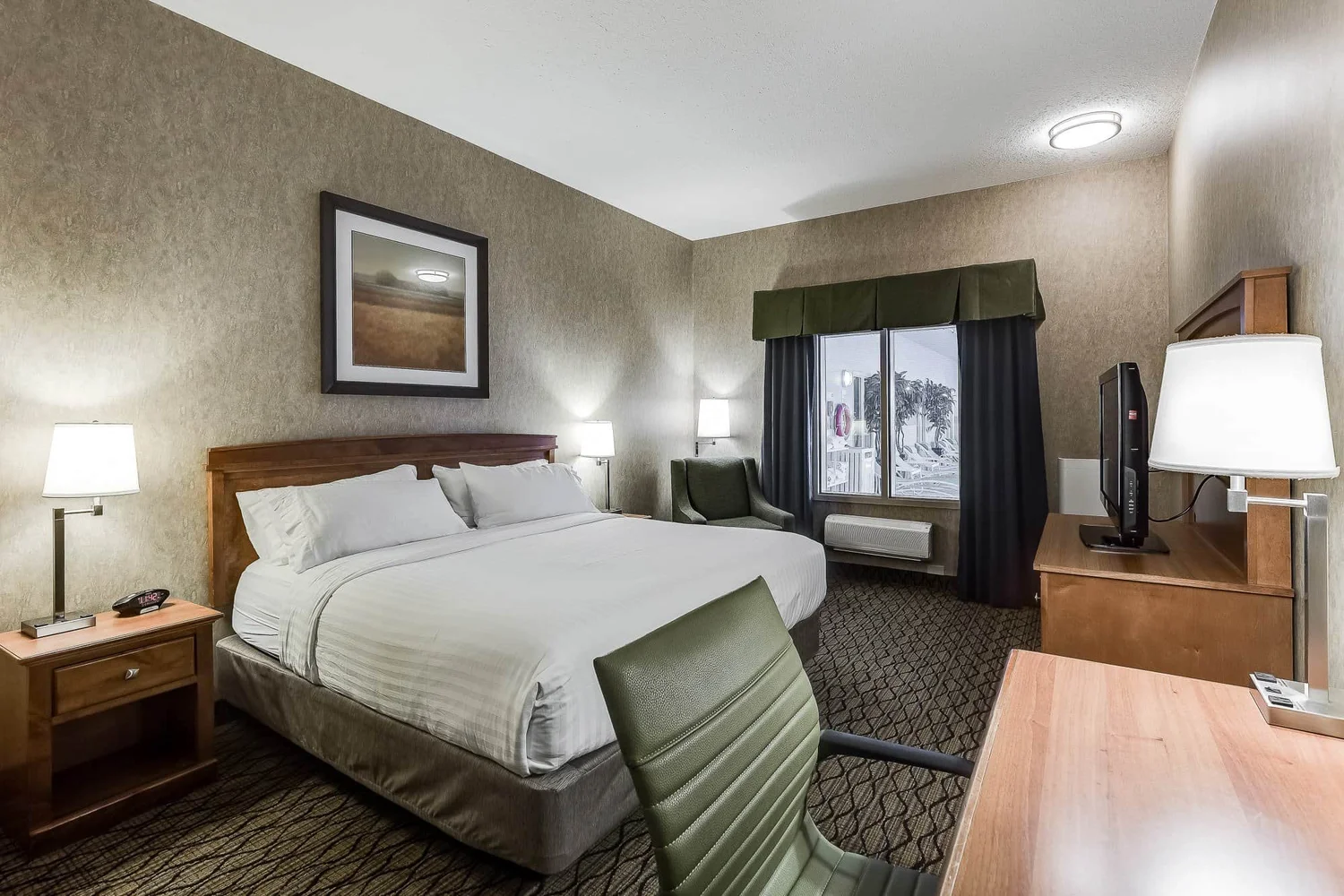
For guest rooms, consider:
- Checkout and housekeeping windows
- Expected arrival times
- Room category availability
- Maintenance access
- Housekeeping and engineering sign-off
- Elevator and corridor traffic
- Whether amenities or public spaces have quiet periods
A room that appears available on a calendar may still be needed for an arriving guest, maintenance work or a last-minute operational change. Identify specific hero rooms and backup rooms in advance.
Restaurants and dining rooms
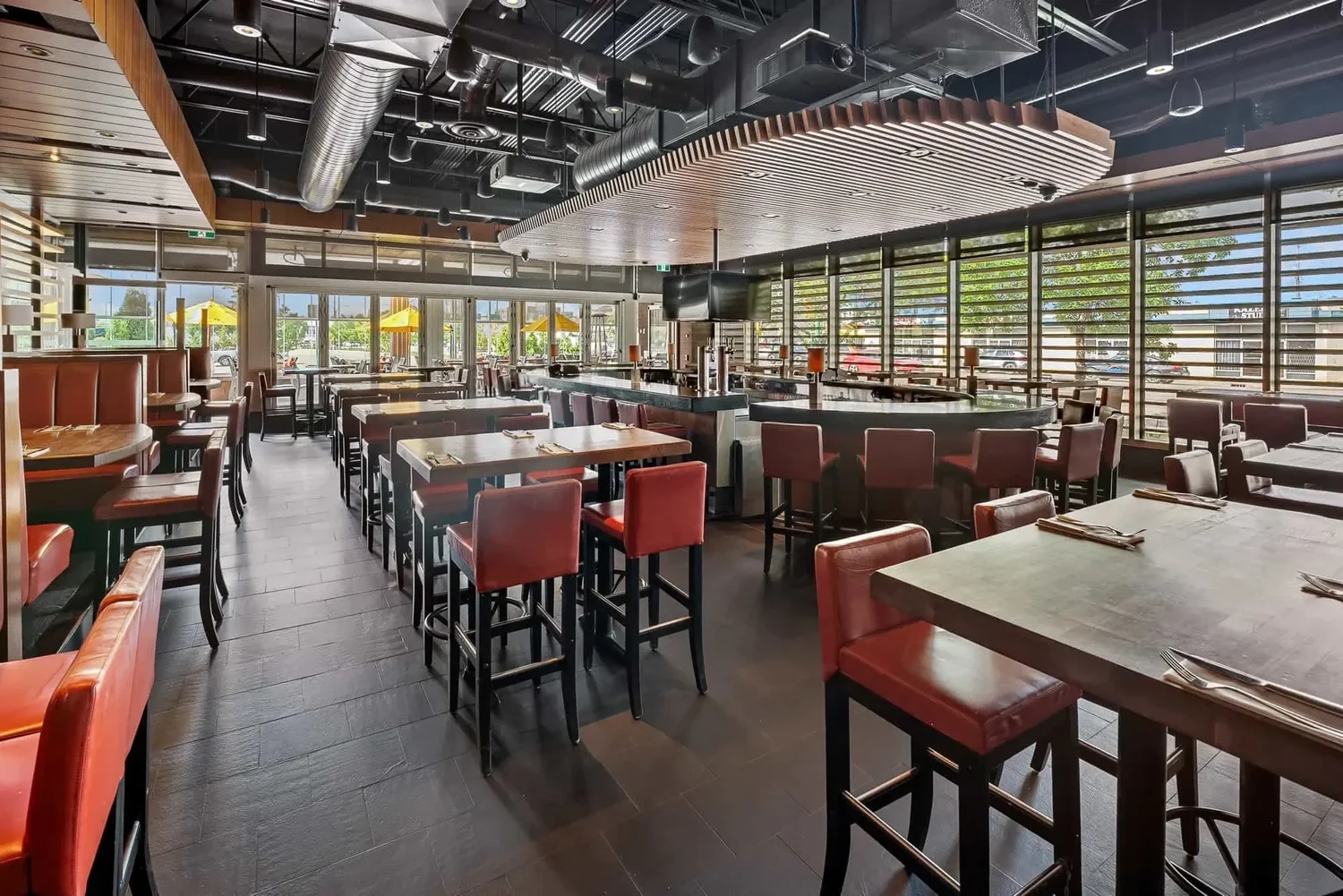
A busy dining room generally cannot be cleared in the middle of service without affecting guests, staff and revenue. If the room needs to appear quiet and fully arranged, schedule the photography before opening, after closing or during an agreed closure.
If the goal is to show genuine activity, that should also be planned. Staff movement, table turnover, guests in the background and service details need to be intentional rather than incidental.
Confirm:
- When the dining room can be reset
- Whether the bar is open or closed
- Who is responsible for table settings
- Whether food service will continue during the shoot
- How long the photographer can occupy key areas
- When the space must be returned to normal service
Do not assume that a short appointment will be enough to photograph a functioning hospitality venue without preparation.
Plan for privacy before anyone arrives
Guest privacy deserves particular attention in a hotel or busy restaurant.
Before the shoot, decide how the property will prevent uninvolved people and their belongings from appearing in the final images. This includes:
- Identifiable guests
- Children
- Guest vehicles and licence plates
- Luggage and personal belongings
- Names on registration screens or paperwork
- Room numbers
- Computer screens and point-of-sale displays
- Staff members who have not agreed to appear
- Conversations or activities visible through open doors
If identifiable people will be included intentionally, establish the required permission or release process before the shoot. The operator, brand, owner or legal adviser should confirm what documentation is required for the intended use and location.
Front-desk staff, guest services, security and department managers should know:
- When photography is taking place
- Which areas are restricted
- How guests can use an alternate route
- Who can approve an unexpected request
- How to handle a guest who does not want to be photographed
Simple measures such as a temporary sign, a closed door, a staff escort or a short pause in traffic can prevent a privacy problem later.
Make rooms look used, but not personal
A hospitality room should feel ready for a guest, not empty, abandoned or like a private residence.
That usually means showing the room in a clean, operational state:
- Bed properly made
- Curtains or blinds set consistently
- Lamps and practical lights working
- Bathroom clean and supplied as intended
- Towels arranged according to the property’s standard
- Desk and seating positioned correctly
- Television, remotes and guest information organized
- Minibar or coffee station presented consistently
- Balcony or exterior seating prepared where applicable
The line is between “ready for occupancy” and “personally occupied.” A folded robe, a coffee setup or a neatly arranged welcome item may communicate hospitality. An open suitcase, medication, identity document or personal clothing communicates someone’s private life and should not be included.
If several room categories are being photographed, create a room list before the appointment. Record the room type, exact configuration, view, accessible features and whether the room is a primary or backup selection.
Accessible rooms should be shown accurately. Do not remove required equipment or alter the room in a way that creates a misleading impression.
Decide what happens in kitchens and back-of-house
Kitchens, service corridors, laundry areas, storage rooms and plant spaces can be useful marketing assets, but they should not be photographed by default.
The operator should identify which areas support the marketing objective and which areas need to remain private or operational. For example, a restaurant may want to show the open kitchen, while keeping storage, staff records, delivery areas and preparation documents out of view.
Before photographing kitchens or back-of-house areas, confirm:
- Who from operations must approve access
- Whether food will be prepared specifically for the shoot
- Which staff may appear
- Whether uniforms and presentation meet brand standards
- Which equipment can be visible
- Whether preparation sheets, invoices or screens need to be removed
- How the crew can work without obstructing service or safety routes
The photography team should be escorted through restricted areas and should not block exits, interfere with food handling or place equipment where it creates a hazard.
Account for weather and daylight
Exterior photography, patios, pools and entrances often depend on more than a clean building.
In Saskatchewan, daylight changes significantly by season. A hotel exterior that photographs well in summer may need a different schedule in October or January. Snow, wind, rain, glare and short daylight hours can also affect the plan.
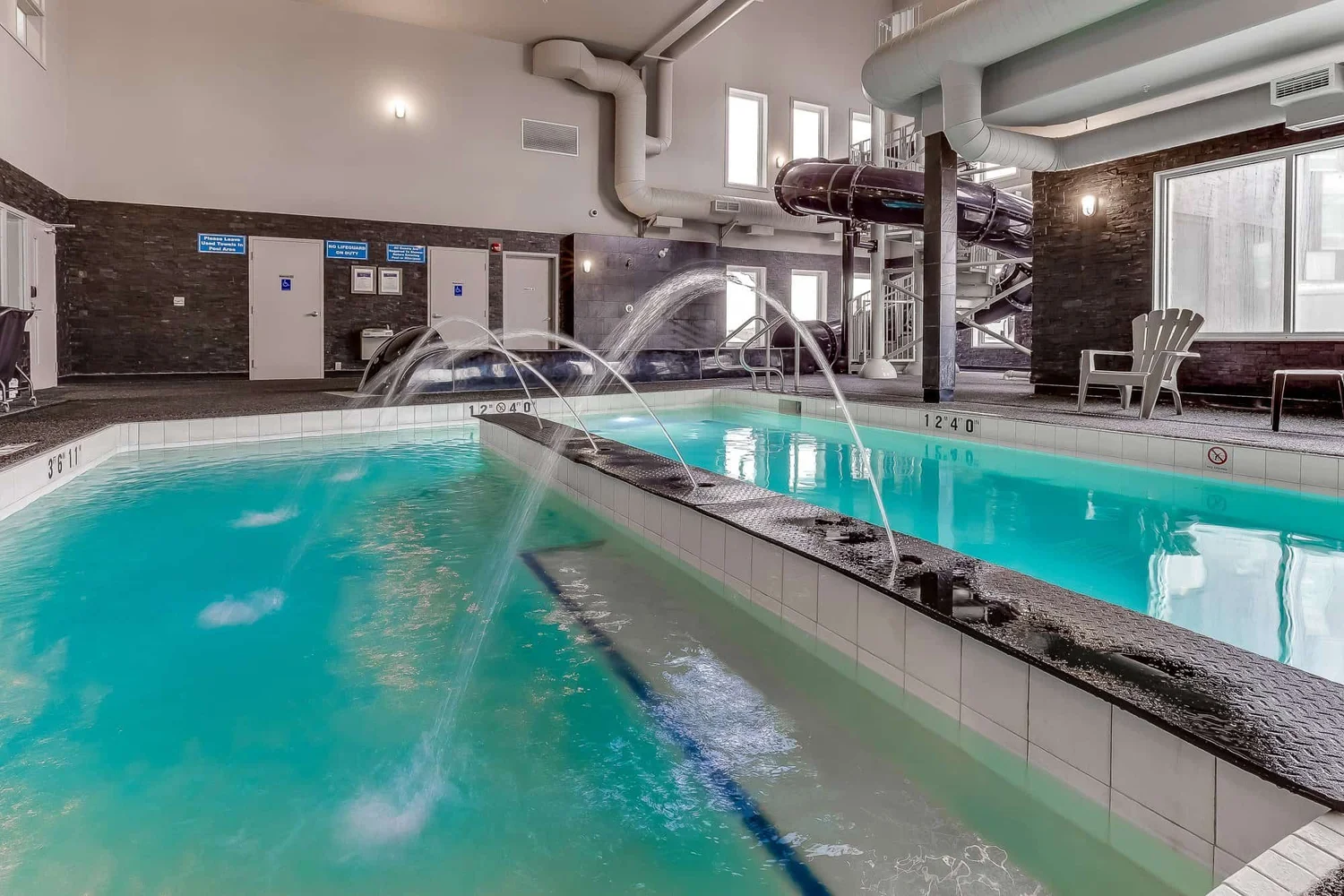
For exterior and amenity images, confirm:
- Which direction the property faces
- When the entrance receives useful light
- Whether patio furniture is available and in season
- Whether the pool or terrace must be shown occupied or empty
- Whether exterior lighting should be on
- What happens if weather prevents the planned images
- Whether an indoor alternative is available
If aerial images are part of the project, they require additional planning for airspace, weather, visibility, access and safe operating conditions. Scott Prokop Photography provides licensed drone photography in Saskatoon and Saskatchewan, with aerial coverage scoped to the property and intended use.
Confirm access, power and signage
A commercial photography crew needs more than a front-door address.
Provide a short access plan covering:
- Crew check-in location
- Loading and unloading instructions
- Parking
- Elevator or service-corridor access
- Equipment staging
- Restrooms and staff facilities
- Restricted areas
- Emergency exits and accessible routes
- A primary on-site contact
Power should also be discussed with the property’s engineering or facilities team. Do not assume that any guest-room outlet or public-area receptacle is suitable for production equipment. Identify approved outlets, cable routes and areas where equipment cannot be placed.
If temporary signs are needed, prepare them in advance. Signs may explain that photography is in progress, identify restricted areas or direct guests to another route. They should not obscure permanent safety, accessibility or wayfinding signage, and they should be removed when the shoot ends.
Review brand and franchise requirements
Hotels and restaurants may be subject to requirements from an owner, management company, franchise system, designer or corporate marketing department.
Before confirming the shoot, ask for the current guidelines and approval process. These may restrict:
- Use of logos and signage
- Room presentation
- Uniforms
- Food styling
- Retouching or compositing
- Depiction of staff and guests
- Architectural changes
- Colours and visual treatment
- Use of third-party artwork
- Portfolio or advertising use by the photographer
Usage rights should be agreed in writing as part of the project scope. Confirm who can use the images, on which channels, for how long and whether the property owner, operator, franchise or agent requires access to the final files.
Do not assume that commissioning photography automatically gives every related organization unlimited usage.
A practical pre-shoot brief
An operator or commercial agent should be able to complete this short brief before requesting a quote:
- Property: Hotel, restaurant, event venue or other hospitality space
- Location: Saskatoon, Warman, Martensville or Central Saskatchewan community
- Purpose: Reservations, leasing, sale, events, renovation, brand or general marketing
- Areas required: Exterior, lobby, rooms, dining, amenities, kitchen, back-of-house or site context
- Operating restrictions: Opening hours, service periods, guest traffic and closure windows
- Privacy plan: Guests, staff, vehicles, rooms and belongings that must not appear
- Access contact: One person authorized to make decisions on site
- Brand requirements: Owner, franchise, designer or corporate approvals
- Weather plan: Exterior priorities, daylight needs and backup options
- Deliverables and usage: Photography, video, drone, virtual tour, print, web or advertising use
The more clearly this information is defined, the easier it is to recommend an appropriate scope.
Plan the shoot as part of the operation
A hospitality photography session should leave the property ready to serve guests again. That means restoring rooms and public spaces, removing temporary signs, checking for misplaced belongings, returning furniture and confirming that staff know the production is finished.
The goal is not simply to make a hotel or restaurant look tidy for a camera. The goal is to create accurate, useful media without disrupting the guest experience or misrepresenting how the property operates.
For hospitality, commercial and architectural photography in Saskatoon and Central Saskatchewan, start with the property’s purpose, schedule and access requirements. Then request a project quote with the spaces, deliverables and intended uses clearly outlined.
For additional planning guidance, return to the commercial real estate photography guide or review commercial photography services.