
Help the property look ready before the appointment.
Your Realtor sent you this guide to make preparation easier. Work through the highest-impact details first, then use the room-by-room checklist for a calm, organized photography day.
For sellers and Realtors · Clear priorities · Easy to print or share
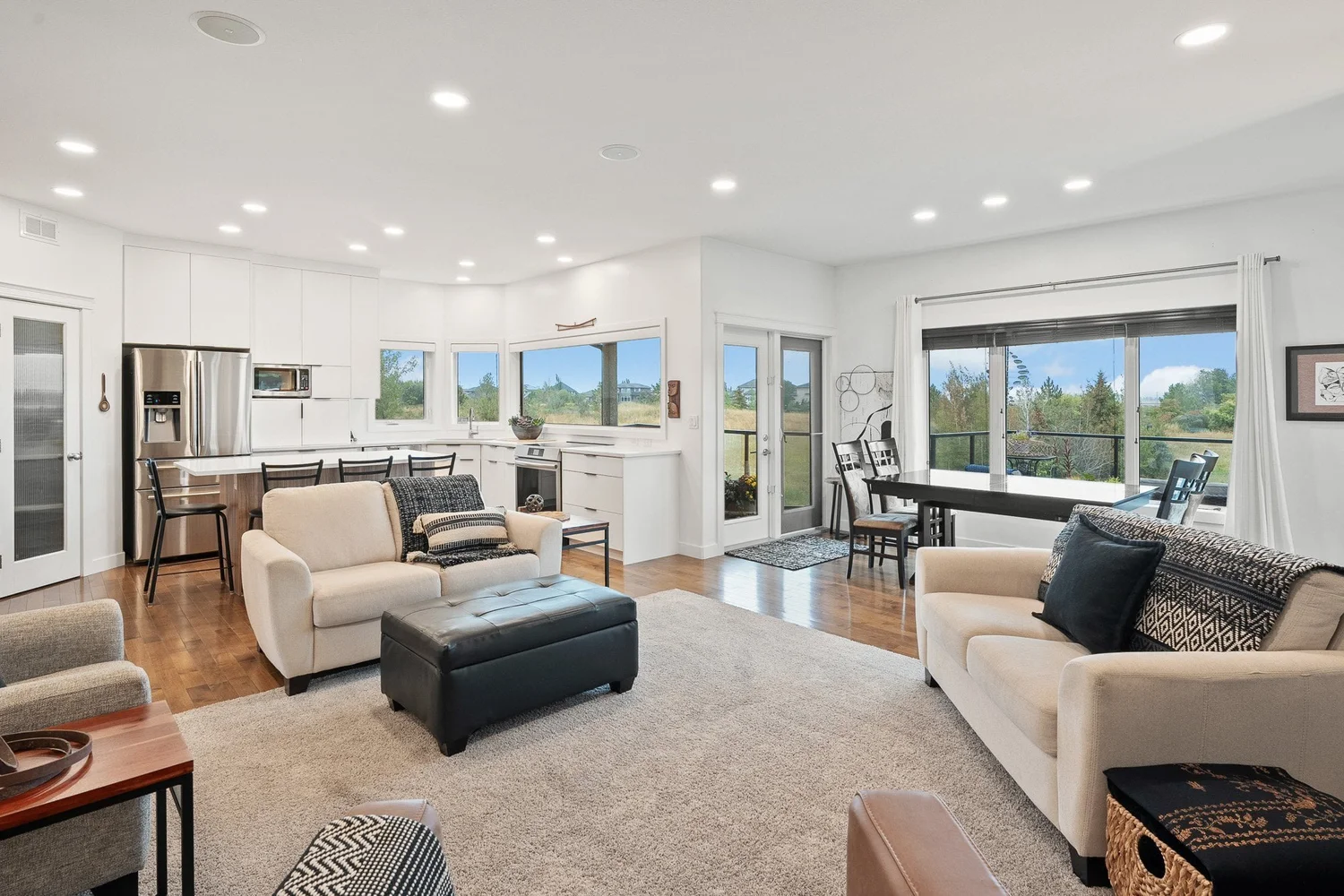
Start with what buyers notice first.
The home does not need to look empty or staged beyond recognition. Clean surfaces, open pathways and fewer everyday distractions let the property—not the clutter—lead the photographs.
Your complete preparation checklist.
Use the boxes for a final walkthrough. Your Realtor can confirm which rooms and exterior features are included in the appointment.
The day before
Complete the work that is difficult to finish while the photographer is waiting.
- Finish cleaning, minor repairs and touch-ups.
- Clean floors, mirrors, windows and visible surfaces.
- Replace burnt-out bulbs; use consistent light colour where practical.
- Remove excess items from counters, tables, shelves and floors.
- Put away paperwork, medications and sensitive personal items.
- Plan where people, pets and vehicles will be.
The morning of
Give the property one calm reset shortly before the scheduled time.
- Make every bed; straighten pillows, throws, rugs and furniture.
- Put away dishes, toiletries, laundry and last-minute clutter.
- Empty visible garbage bins.
- Open blinds and curtains where helpful.
- Turn on lights; turn off televisions, monitors and ceiling fans.
- Move vehicles and confirm clear, on-time access.
Exterior preparation
Remove avoidable distractions from the front approach and outdoor living areas.
- Move vehicles, trailers and portable equipment away from the front.
- Store garbage and recycling bins out of sight.
- Put away hoses, tools, toys and loose garden items.
- Sweep steps, walkways, decks and patios.
- Arrange outdoor furniture and straighten umbrellas.
- Make gates, garages and key outdoor features accessible.
Kitchen & dining
Keep counters and tables simple so cabinetry, fixtures and circulation read clearly.
- Clear counters except for a few intentional decorative items.
- Store small appliances that add visual clutter.
- Remove dish soap, sponges, drying racks and cleaning products.
- Empty and clean the sink; wipe appliance fronts.
- Remove magnets, notes and calendars from the refrigerator.
- Clear the table and straighten chairs.
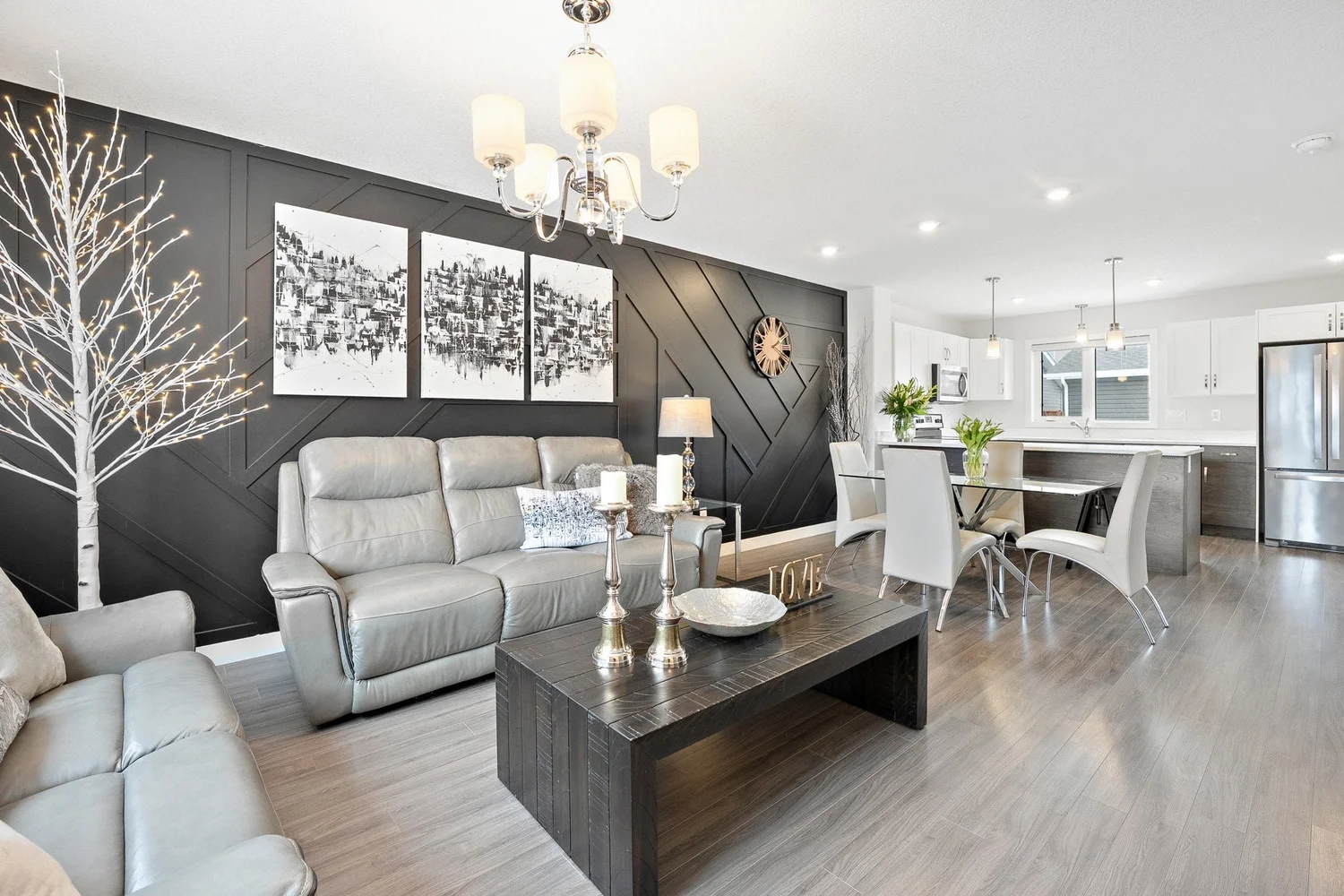
Make the space easy to understand.
Preparation should support a clear, attractive and truthful view of the home. It is about reducing distractions—not disguising the property or erasing the reality of living there.
Living spaces
Aim for comfortable, open rooms with a clear purpose.
- Straighten furniture, cushions and throws.
- Remove remotes, cables, papers, toys and everyday clutter.
- Organize bookshelves and entertainment areas.
- Reduce excess décor if the room feels crowded.
- Clean fireplace glass and tidy tools or ash.
- Open clear pathways around furniture and between rooms.
Bedrooms
Let the room size, storage and function remain easy to read.
- Make beds neatly and smooth the bedding.
- Remove clothing, laundry baskets, luggage and loose items.
- Clear nightstands of chargers, tissues, bottles and medications.
- Put away visible items stored under or beside beds.
- Organize feature closets if they may be photographed.
- Tidy children's rooms enough for their function to read clearly.
Bathrooms
Reflective surfaces and tight spaces show clutter quickly.
- Remove toothbrushes, toiletries, medications and care products.
- Clear tubs and showers of bottles, razors and cleaning items.
- Close toilet lids.
- Clean mirrors, glass, counters, fixtures and sinks.
- Hang fresh, neatly arranged towels.
- Empty waste bins; hide brushes, plungers and scales.
Offices, basements & utility areas
These rooms help buyers understand how the property functions.
- Clear desks of private documents, cables and excess equipment.
- Prepare finished basement rooms like main living areas.
- Give multipurpose rooms one easy-to-read function.
- Organize storage, shelving and garages enough to show space.
- Keep panels, furnaces and water heaters safely accessible.
- Do not block entrances or mechanical features.
Pets, people & access
A quiet, accessible property keeps the session safe and efficient.
- Arrange for pets to be off-site when possible, or securely contained.
- Remove pet bowls, beds, toys, cages and litter boxes.
- Keep occupants clear of rooms while photography is underway.
- Confirm address, unit, parking and entry details with the Realtor.
- Disarm alarms and unlock approved gates, garages and rooms.
- Flag tenants, restrictions or access concerns in advance.
Seasonal & winter
Weather affects both presentation and safe access.
- Clear snow and ice from the driveway, walkway and entrance.
- Create safe access to decks, patios, garages and exterior features.
- Move shovels, ice melt, boots and wet mats from the main view.
- Remove dead planters, leaves and windblown debris when practical.
- Prepare pools, hot tubs and outdoor kitchens only if they will be shown.
- Tell the Realtor if weather has hidden an important feature.
What not to hide or misrepresent
Reduce distractions without creating a misleading picture of the property.
- Do not cover visible damage, defects or permanent features just for photographs.
- Do not use temporary furniture or objects to conceal room limitations or building components.
- Do not request removal of permanent fixtures, neighbouring structures or material property conditions.
- Keep room use and scale believable, and tell the Realtor about anything requiring disclosure or special handling.
Keep the concise checklist with you.
Download the printable guide for the final walkthrough, or share this page directly with anyone helping prepare the property.
Frequently asked questions.
Does every room need to be photographed?
The Realtor and selected media plan determine which spaces are needed. Prepare every accessible finished room unless the Realtor has confirmed otherwise.
Should the home be empty during the appointment?
It is usually easiest when occupants and pets are away or remain clear of the rooms being photographed. This avoids interruptions and people appearing in images or reflections.
Should all lights be turned on?
Turn on interior lights and replace burnt-out bulbs before the appointment. Scott may adjust lighting, blinds or curtains as needed for individual rooms.
What if the property is not fully ready?
Prioritize cleaning, clearing counters and floors, making beds, preparing bathrooms, moving vehicles and securing pets. Tell the Realtor before the appointment if preparation or access could delay the session.
Will the photographer move furniture or clean rooms?
Scott may make small adjustments where practical, but the appointment is not scheduled for cleaning, staging or moving heavy furniture. Please have the property ready before arrival.
What should remain in the home?
Keep furnishings and décor that help explain each room, but remove everyday clutter and sensitive personal items. Do not conceal defects or alter the property in a way that could mislead a buyer.
How early should preparation begin?
Start cleaning, repairs, decluttering and exterior work the day before. Use the morning checklist for final details so the property is ready at the scheduled time.
Ready to plan the listing media?
Choose photography and supporting media that fit the property and the launch.
Practical questions and next steps
Reviewed October 7, 2026. Confirm your order’s services, timing and usage terms before booking or publishing.
How do I prepare a house for real estate photography?
Prepare the home before the appointment: clean visible surfaces, clear counters and walking routes, make beds, tidy bathrooms and move vehicles and bins. Secure pets and arrange access to every agreed room. Use the room-by-room checklist above, starting with kitchens, living spaces and the front exterior. Tell your Realtor early if readiness or access may affect the shoot.
What should sellers remove from kitchen counters?
Remove dishes, drying racks, sponges, cleaners, loose papers, chargers and most small appliances. Keep a few intentional items if they help the kitchen feel natural, while leaving enough clear counter to show its working space. Clean the sink and appliance fronts, and remove fridge magnets and notes. Check the room from its entrance before the appointment.
How should bathrooms be prepared for listing photos?
Clear toiletries, toothbrushes, medications, razors and cleaning products from vanities, baths and showers. Clean mirrors, glass and fixtures, close toilet lids, empty waste bins and hang tidy towels. Store private items securely rather than shifting them just outside the camera angle. Finish the bathroom reset shortly before the scheduled arrival.
Should lights be on and blinds open before the shoot?
Turn on interior lights, replace burnt-out bulbs and switch off fans, televisions and monitors. Open blinds and curtains where they help show the room and outlook. Glare, direct sunlight and mixed light may require adjustments; Scott can refine individual rooms during capture. Have the initial setup ready before arrival rather than waiting to start preparation.
Should sellers remove family photographs and valuables?
Put away sensitive paperwork, medication, visible valuables and personal photographs you do not want published. Check mirrors and other reflective surfaces too. Secure items in a safe location and tell the Realtor about privacy concerns before capture. Removing private material beforehand is more dependable than assuming it can all be digitally removed afterwards.
How should an occupied home with children and pets be prepared?
Prepare one storage area for toys, laundry and daily essentials, then reset the rooms in the planned shoot. Arrange a supervised outing or a safe separate area for children and pets. Put away pet bowls, beds and litter boxes, and keep routes clear. Tell the Realtor about occupants or access restrictions early so the appointment can be organized safely.
What needs preparing in an empty house?
An empty home still needs clean floors, windows, mirrors and fixtures, working lights and safe access. Remove renovation debris, stickers and loose supplies, and check that agreed rooms and outbuildings can be opened. Flag visible damage rather than hiding it. Confirm utilities and entry arrangements before the appointment; consider selective staging only if a room needs help explaining its purpose.
Should a home be physically staged before photography?
Physical staging changes the room visitors will experience; virtual staging changes selected marketing images. Start with cleaning and a sensible arrangement of existing furniture. Consider physical staging when the in-person presentation needs it, and virtual staging for suitable vacant rooms. Neither should conceal defects. Compare the options with the Realtor before committing to furniture delivery or extra media.
What happens if the property is not ready when Scott arrives?
If the home may not be ready, tell the Realtor and Scott before the appointment. Prioritize clean surfaces, clear pathways, made beds, bathrooms, vehicles and safe pet arrangements. The shoot is not scheduled for cleaning or heavy furniture moving. Ask how an access delay or rescheduling would affect your particular order; any charges or revised timing need confirmation.
How can a Realtor help a seller prepare without overwhelming them?
Give the seller three priorities first: clean visible surfaces, clear counters and pathways, and arrange pets, vehicles and access. Then send this checklist for the room-by-room details. A useful message is: “Please finish the main preparation before the appointment and tell me now about any access or readiness concerns.” Check progress ahead of arrival so problems can be resolved calmly.
How should a Saskatoon home be prepared for winter listing photos?
Clear snow and ice from the driveway, entrance and agreed exterior routes. Move vehicles, bins, shovels and wet mats, test lights and arrange a safe place for pets. Tell the Realtor if snow hides an important feature. Short daylight makes readiness useful: finish preparation before the appointment and confirm access to garages and outbuildings in advance.
Book the media for your listing · Explore customer resources