Which Photo Should Lead Your Listing? Choosing the Lead Image
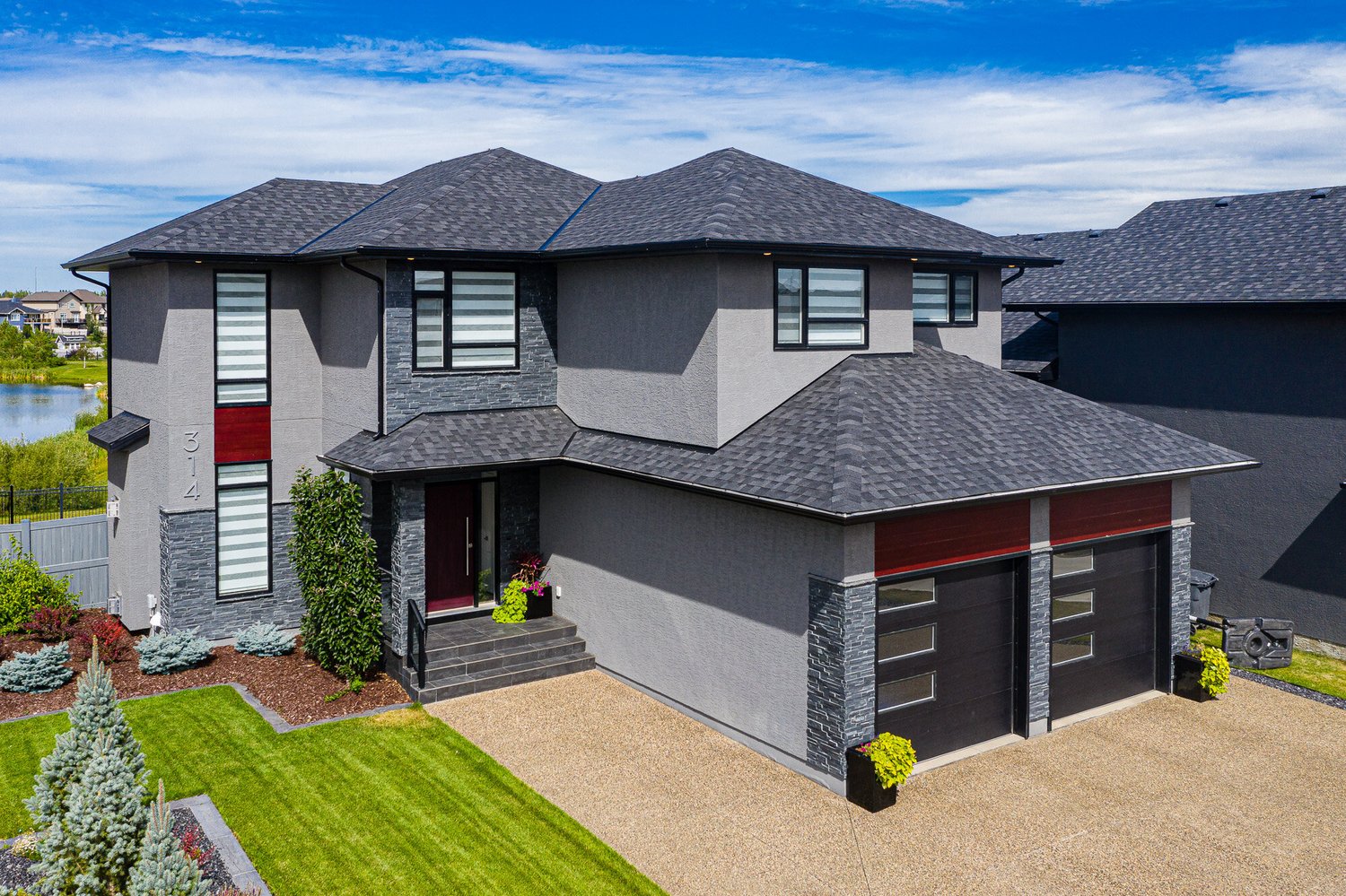
The lead image is the single photograph that introduces a property before someone opens the listing, scrolls through the gallery or sees the post in a social feed.
For most listings, the best choice is a clear, professionally photographed front exterior. It identifies the property honestly, gives viewers immediate context and shows what they are actually being invited to see.
That is the reliable default, but it is not the only possible answer.
A view, lot, distinctive interior or twilight photograph may be a stronger opening image when it communicates the property’s real appeal more clearly than the front elevation. The decision should be based on what someone needs to understand first, not simply on which image looks most dramatic.
This guide focuses on that one decision: choosing the photograph that should lead the listing. For the broader role of professional photography in a complete listing gallery, see our real estate photography service.
Start with the front exterior as the honest default
The front elevation is usually the safest lead image because it answers several basic questions at once:
- What does the property look like?
- Where is the entrance?
- What type of home or building is being offered?
- What should a buyer expect when they arrive?
- Does the image represent the current season and condition?
A strong exterior lead does not need to be flashy. It should be level, well-composed and clear enough to show the full facade, entry, roofline and approach without making the home feel distant or distorted.
For a typical Saskatoon, Warman, Martensville or Central Saskatchewan residential listing, the front exterior is usually the most useful first impression. It establishes the property before the viewer moves on to the kitchen, living room, bedrooms and other spaces.
This is especially important when the listing will appear across several destinations. The first image may be displayed in a wide thumbnail, a square crop, a mobile feed or a search result with very little supporting information. A recognisable exterior generally survives those different uses better than a narrow detail or highly specific interior view.
The exterior does not have to be the most beautiful image in the gallery. It has to be the clearest introduction to the property.
Use the view or lot image when the setting is the reason to buy
A view or lot photograph can lead when the setting is the property’s defining feature.
This may apply to:
- Acreages with meaningful land or long-range views
- Riverbank or ravine properties
- Walkout lots with a strong relationship to the landscape
- Homes where access, privacy or surrounding land is central to the offering
- Properties where the outdoor setting is more distinctive than the facade
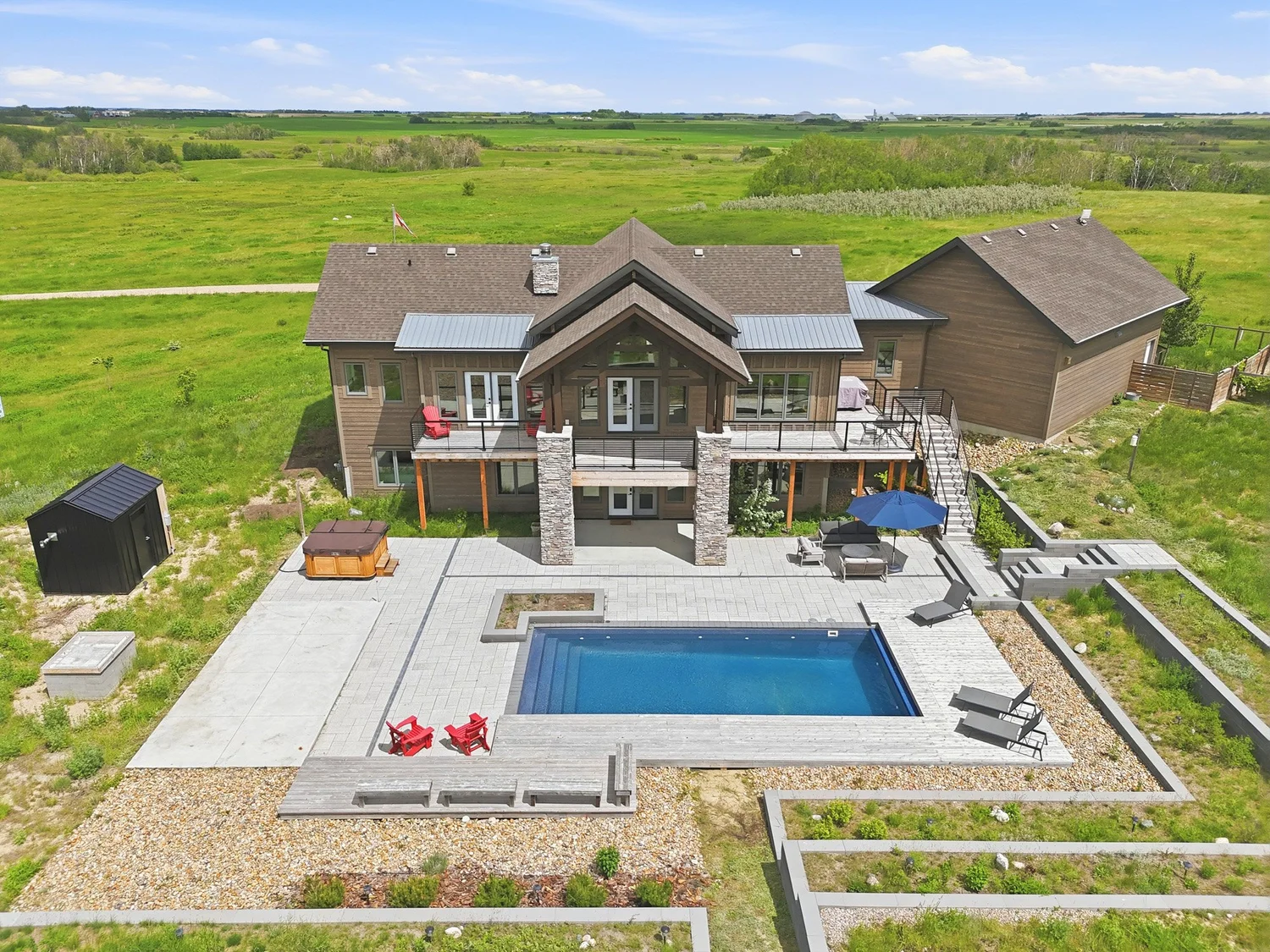
The key test is whether the image communicates both the setting and the property. A landscape photograph that could belong to any nearby property may create interest, but it may not work as the lead image if viewers cannot tell what is being offered.
Before using a view or lot image first, ask:
- Is the view part of the property being marketed, or is it simply visible from the property?
- Does the photograph show enough of the home or lot to provide context?
- Could a viewer mistake a neighbouring amenity, shared area or public space for something included with the property?
- Does the image remain understandable when reduced to a small thumbnail?
- Will the relevant MLS or portal allow that image to be used as the primary photograph?
If the setting is the strongest appeal but a particular listing destination requires a front exterior first, use the compliant exterior as the lead and place the view immediately after it. The marketing decision still matters, even when the platform limits where that image can appear.
Choose a signature interior when the exterior does not explain the property
Some homes are defined by their interior architecture, not their front elevation.
A signature interior may be the better lead when the property has:
- A highly distinctive architectural layout
- A dramatic open-concept living space
- Exceptional craftsmanship or design details
- A meaningful connection between indoor and outdoor spaces
- An exterior that is plain, restricted by access or less representative of the home’s strongest feature
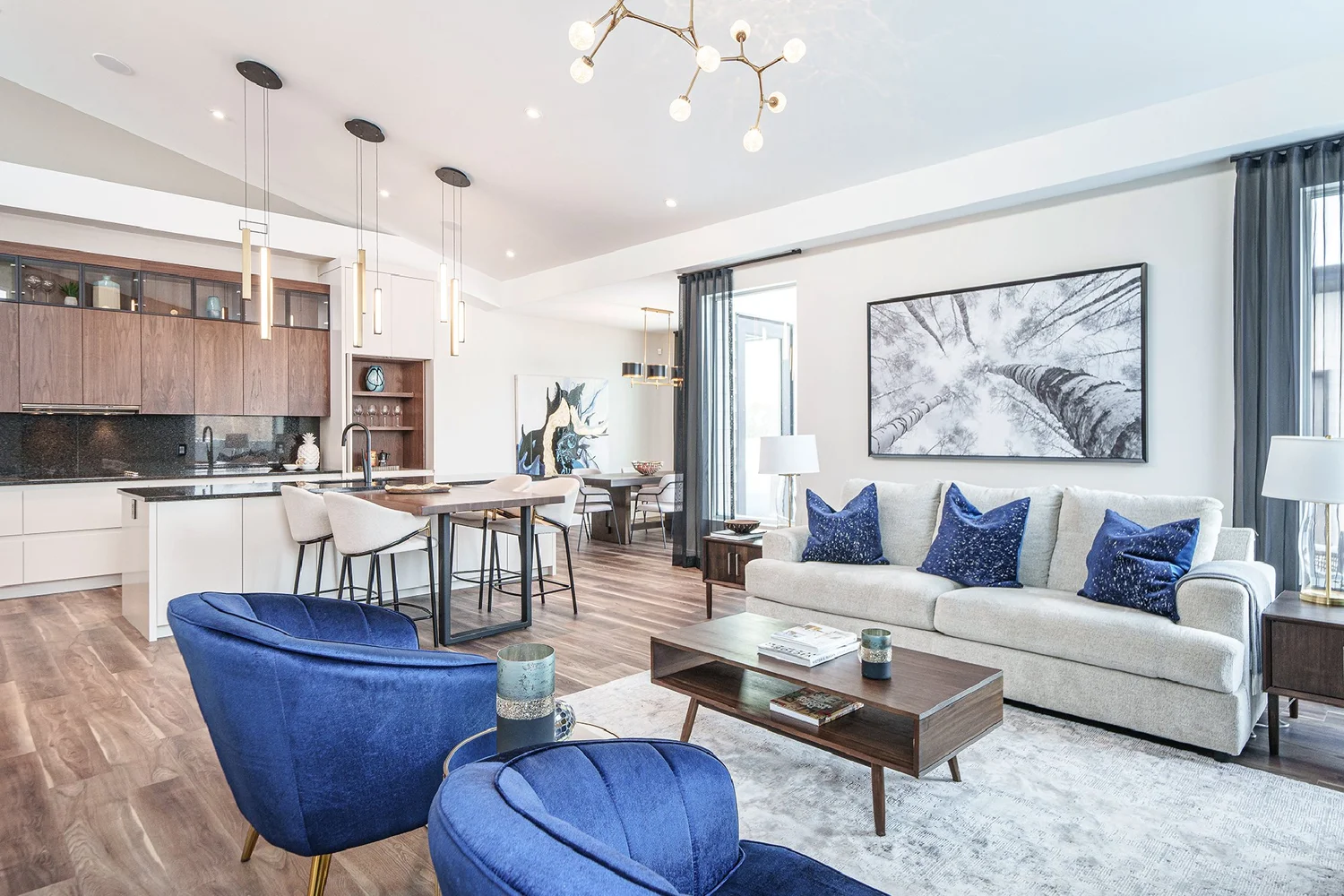
The interior should still communicate more than one isolated feature. A wide, carefully composed view of a principal room can show scale, light, finishes and how the space functions. A close photograph of a faucet, light fixture or countertop edge usually cannot.
This is where the trade-off matters. An interior lead may show the home at its best, but it can also hide the basic identity of the property. If you use one, make sure the front exterior remains clearly represented elsewhere in the listing and that the opening image does not imply the home is something it is not.
For most standard listings, an interior is better used after the exterior. For a genuinely distinctive property, the interior may be the more informative first photograph.
Use twilight when the facade genuinely benefits from it
A twilight photograph can be an effective lead image when the home’s exterior, lighting, windows, landscaping or outdoor entertaining areas are visibly stronger at dusk.
Twilight is most useful when it adds information or atmosphere that a daylight photograph cannot communicate as well. It may help show:
- A carefully designed exterior lighting plan
- A welcoming front entry
- Strong evening views through the windows
- A landscaped patio or outdoor living area
- A facade that has more character after sunset
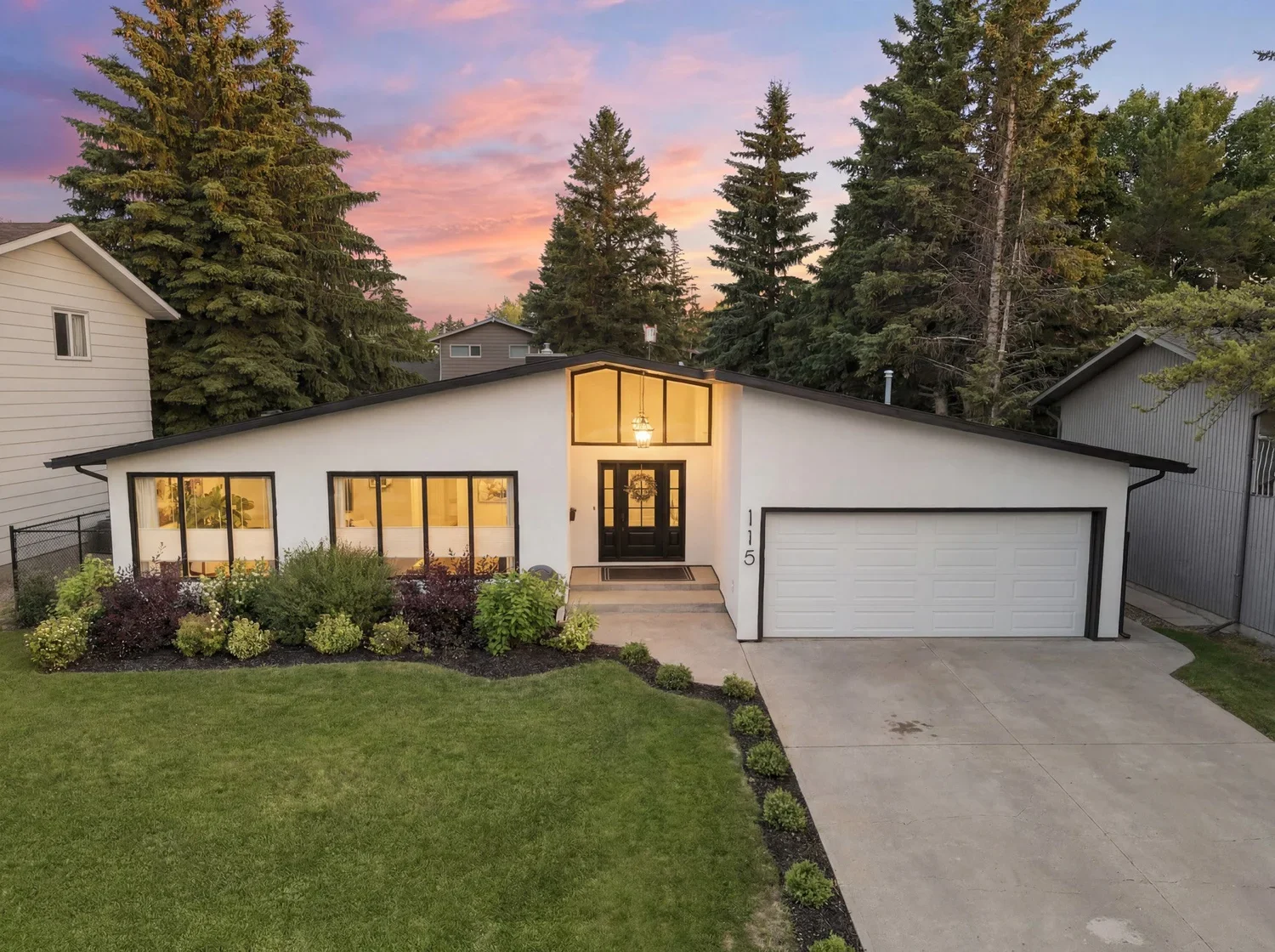
Twilight should not be chosen automatically simply because it looks more cinematic. If the image makes the home difficult to identify, hides the condition of the exterior or creates an impression that is not supported by the rest of the listing, a daylight exterior is the more responsible choice.
A twilight image may lead a listing where it remains a clear and accurate representation of the property and where the destination permits that use. Otherwise, it can serve as a strong supporting image without replacing the daylight exterior.
If you are considering real or virtual twilight, review the available twilight photography options and confirm that the treatment will accurately represent the property.
Why detail shots, floor plans and drone frames usually should not lead
A lead image has very little time to explain the listing. Detail shots, floor plans and drone frames each have useful roles, but they usually lack enough context to introduce the whole property.
Detail shots
A close view of a fireplace, appliance, tile pattern or architectural finish may be valuable later in the gallery. On its own, it does not tell viewers what the property is, how large it is or how the feature relates to the rest of the home.
Floor plans
A floor plan communicates layout exceptionally well, but it is not a photograph and does not provide the visual introduction most listing platforms expect from a primary image. It should support the photography rather than replace it.
For properties where layout is a major consideration, a floor plan or interactive tour can still be an important addition. Explore real estate floor plans as part of the wider media plan.
Drone frames
Aerial photography can show land, access, scale and surrounding context. However, a drone frame may make the home too small in the image or place too much emphasis on nearby land that is not included in the sale.
Use an aerial image as the lead only when it clearly communicates the property and its setting, and when it does not create confusion about boundaries or ownership. In many cases, it is more useful after the front exterior or view image.
Check the lead image before the listing goes live
Before publishing, review the selected image in the actual places where people will see it, not only as a full-size photograph.
1. Test the square crop
Most portals and social feeds may display the lead image in a square or near-square crop. Check that the roofline, entry, defining view and important context survive without being cut off.
Keep the main subject away from the extreme edges of the frame. A photograph that works beautifully in a wide format may lose its meaning when reduced to a square.
2. Make sure it is not duplicated later
The lead image should have a clear role. If the same photograph appears again later, it adds repetition rather than useful coverage. Choose one version and use it intentionally.
3. Confirm the condition and season are accurate
The image should reflect the property as it is being marketed. Do not lead with a summer exterior when the current listing presentation depends on a materially different winter condition, or use an image that hides a visible change buyers should understand.
Normal adjustments to exposure, colour and perspective are part of professional photography. The final image should still represent the property honestly.
4. Check what the image suggests is included
Be especially careful with views, shared spaces, parks, neighbouring amenities and common areas. A lead image can mislead even without making an explicit claim if its composition suggests that something belongs to the property when it does not.
The photograph should make clear what is being sold, what is nearby and what is simply visible from the property.
A simple decision rule
Use this order of preference:
- Front exterior when the property is a conventional residential listing and the facade provides an honest, recognisable introduction.
- View or lot image when the setting is genuinely the central reason the property is being considered.
- Signature interior when the architecture or interior experience is more distinctive than the exterior.
- Twilight exterior when the facade and lighting genuinely benefit from dusk.
- Detail, floor plan or drone image only when the image still communicates the property clearly and the listing destination permits it.
The right lead image is not necessarily the most dramatic photograph. It is the one that gives a prospective buyer the clearest and most accurate first understanding of the property.
If you need help selecting the appropriate level of coverage for a Saskatoon or Central Saskatchewan listing, review the photography portfolio, compare current options on the pricing page, or book a listing appointment.