Virtual Twilight Photography in Real Estate
Ethical AI, Better First Impressions, and Higher Engagement
In today’s competitive real estate market, attention is currency. Buyers scroll quickly, listings compete fiercely, and the first exterior image — often called the hero shot — can determine whether a property gets clicked or ignored.
This is where virtual twilight photography has rapidly grown in popularity.
For Realtors, it offers a powerful way to elevate curb appeal without scheduling challenges.
For real estate photographers, it provides a scalable, consistent solution that fits modern workflows.
But with the rise of AI editing tools, an important question has emerged:
Can virtual twilight images be used ethically without misrepresenting a property?
The answer is yes — when done correctly.

What Is Virtual Twilight Photography?
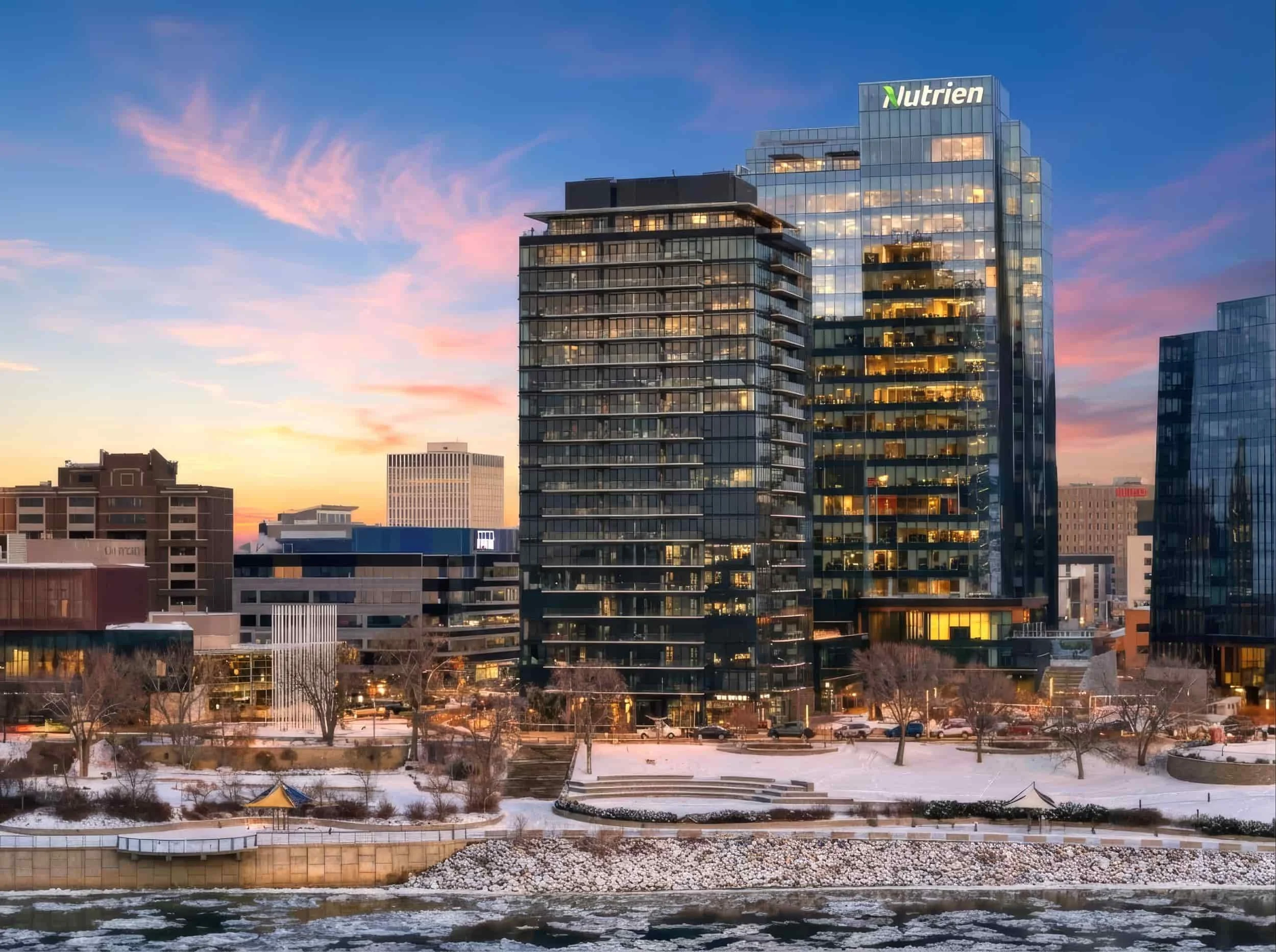
Virtual twilight photography (also known as day-to-dusk editing) transforms a daylight exterior image into a dusk-style image using advanced editing and AI-assisted processes.
Instead of photographing a home during the brief and unpredictable twilight window, photographers capture a properly exposed daytime image and enhance it to simulate natural dusk conditions.
Key elements typically include:
A realistic evening sky
Warm interior and exterior lighting
Balanced shadows and highlights
Accurate structure, angles, and surroundings
Importantly, no physical features of the home are altered.

Why Twilight Images Matter in Real Estate Marketing (The Data)
Multiple industry studies and marketing analyses show that listings with twilight imagery consistently outperform those without.
Key data points:
Listings with twilight photos often receive more online views and longer engagement times
Buyers report stronger emotional connections to warm, evening-style imagery
Eye-tracking studies show dusk skies and warm lighting naturally pull attention in scrolling feeds
Twilight images are frequently chosen as the MLS hero image, increasing click-through rates
In short:
Twilight images don’t sell homes on their own — but they help listings get noticed.
The Problem with Traditional Twilight Photography
While real twilight photos are beautiful, they present real challenges for Realtors and photographers alike:
Extremely limited shooting windows (often 10–15 minutes)
Weather dependency
Seasonal constraints (especially winter markets)
Rescheduling delays
Higher production costs
In fast-moving markets, waiting days or weeks for a twilight shoot can mean lost momentum on a listing.

How AI Has Improved Virtual Twilight Photography
Recent advancements in AI-assisted editing have significantly improved the quality, realism, and consistency of virtual twilight images.
Modern tools analyze:
Scene lighting direction
Window placement
Exterior light sources
Shadow behavior
Sky-to-structure balance
When used responsibly, AI allows photographers to produce twilight images that:
Look natural, not dramatic or artificial
Match real lighting logic
Maintain architectural accuracy
Remain compliant with MLS and advertising standards
AI doesn’t replace the photographer — it enhances the workflow.

Ethics & Transparency: What Virtual Twilight Should NOT Do
A professional virtual twilight image should never:
Change the shape or size of the home
Add features that don’t exist
Remove permanent surroundings
Create unrealistic views
Mislead buyers about condition or location
Ethical virtual twilight photography focuses on presentation, not deception.
For transparency, many professionals clearly label images as Virtual Twilight or Day-to-Dusk when required by MLS rules or brokerage policy.
This protects:
The Realtor
The photographer
The buyer
The integrity of the listing

Why Realtors Are Using Virtual Twilight Images More Than Ever
From a Realtor’s perspective, virtual twilight images solve real business problems:
Faster listing launches
Consistent marketing quality
No rescheduling for sunset
Better seasonal marketing (especially winter)
Stronger online presence
They are especially effective for:
Hero images
Social media posts
Featured listings
Luxury homes
Slow-to-gain-traction listings
Used correctly, virtual twilight images act as a marketing enhancer, not a replacement for reality.
What This Means for Real Estate Photographers
For photographers, AI-assisted virtual twilight editing allows:
Scalable service offerings
Predictable turnaround times
Consistent quality
Reduced reshoots
Better alignment with Realtor expectations
Photographers who embrace ethical AI workflows are positioning themselves as:
Marketing partners
Problem solvers
Educators
Trusted advisors
The industry is not moving away from photography — it’s moving toward smarter photography.
The Future of AI in Real Estate Media
AI in real estate photography is not about shortcuts.
It’s about efficiency, consistency, and responsible enhancement.
As buyers become more visually driven and platforms more competitive, professionals who combine:
Strong capture techniques
Ethical editing standards
Transparent communication
AI-assisted workflows
…will lead the market.
Final Thoughts
Virtual twilight photography, when done correctly, does not misrepresent a property.
It simply presents it in its best possible light — literally.
For Realtors, it means stronger first impressions.
For photographers, it means smarter workflows.
For buyers, it means engaging visuals that still reflect reality.
That balance is where modern real estate marketing lives.